
A family floor should be enjoyable to live on, not something everyone is afraid to touch. Engineered timber can suit an active home, provided you choose it with realistic expectations about marks, spills and everyday care.
Expect a lived-in timber surface
Engineered flooring has real timber at the surface. It can acquire scratches, dents and changes in appearance as a household uses it. A protective finish helps, but it does not make the board indestructible.
Think about your own routine: a large energetic dog, children moving toys across the floor and a busy route from the garden all create different wear. Choosing timber means accepting some natural signs of use, not expecting it to remain untouched.
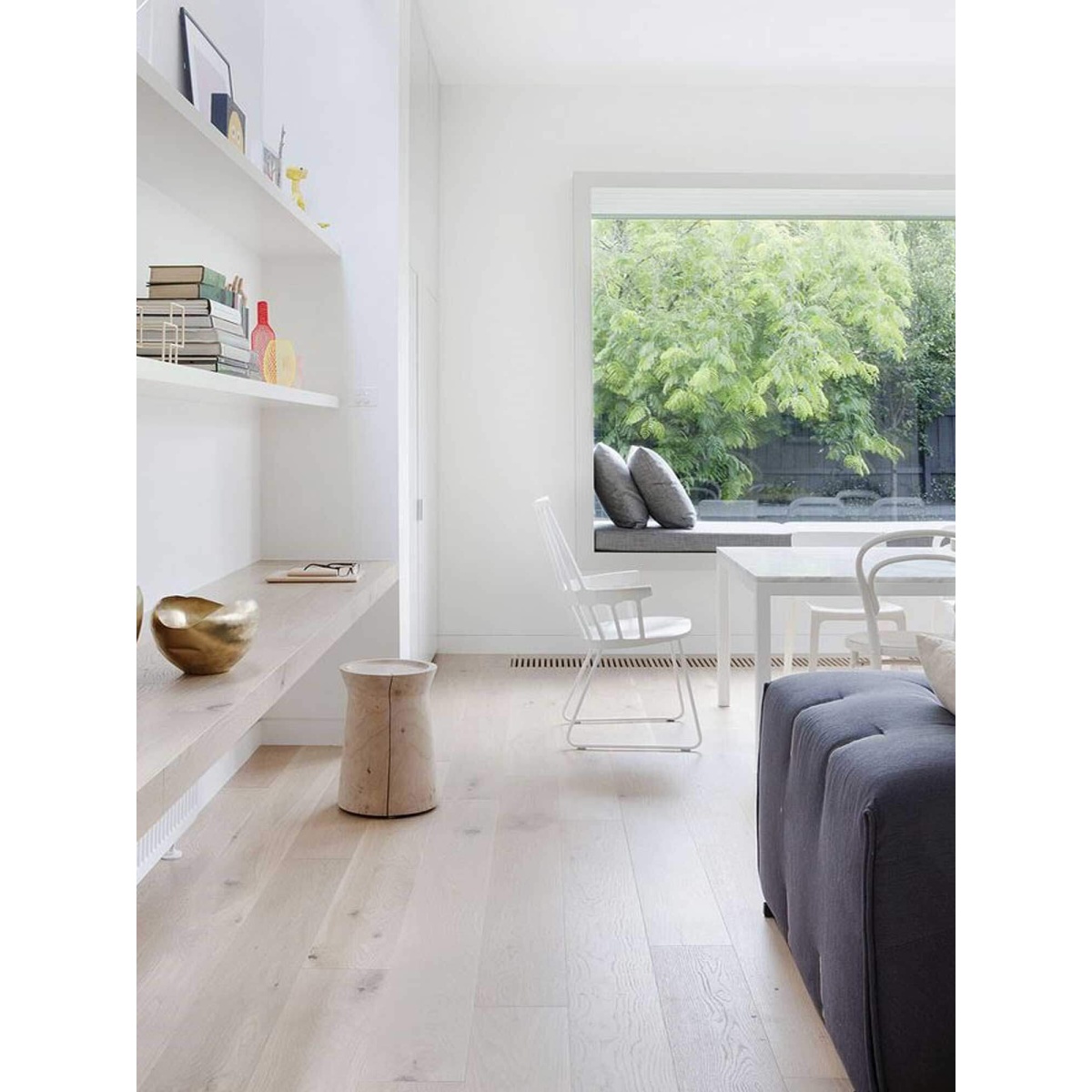
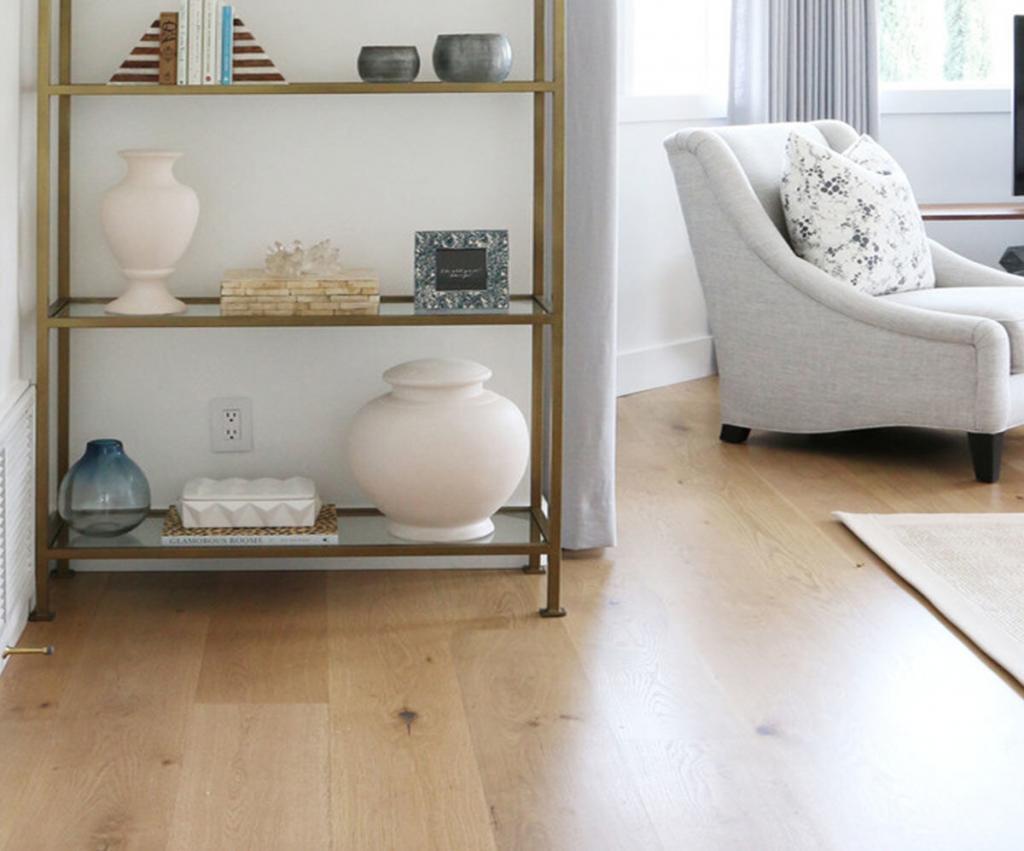
Milton Lane’s range of natural oak tones makes it easy to choose a look for a busy family home. Visible grain and colour variation can make everyday signs of use less noticeable, while adding character to the room.
Claws, paws and feeding areas
Keep claws maintained and reduce grit brought in from outdoors. Place suitable mats at entrances and dry wet paws before they travel through the house. Check that mat backing is compatible with the finish, and lift mats regularly to clean and dry beneath them.
Give energetic play a suitable area rather than repeatedly throwing toys along a timber hallway. Inspect the floor around food and water bowls; a spill hidden beneath a mat can remain unnoticed.
Clean up pet accidents promptly using a product approved for the floor finish. Avoid experimenting with harsh household chemicals. If a mark persists, ask for advice rather than aggressively scrubbing the surface.
Make play areas easier to manage
Use an appropriate play mat or rug where children regularly play with hard toys. Check underneath it for sand, crumbs and moisture. Avoid dragging storage boxes, ride-on toys or chairs across the surface.
Fit suitable protective pads to movable furniture and inspect them regularly. A pad with grit embedded in it can become part of the problem. Lift heavier furniture instead of pushing it.
Drinks and craft materials are easier to deal with when noticed early. Wipe spills promptly and keep paints, glue and similar activities on a protected surface. Cleaning should follow the flooring instructions, not a generic social-media cleaning recipe.
Choose appearance with daily life in mind
Look at samples in the rooms where you will use them. Grain, colour variation and surface sheen change how dust and small marks appear, especially in side light.
Natural grain and a forgiving colour choice can help small marks blend into the floor’s character. Furniture pads and regular removal of grit remain useful with every finish.
View the boards alongside your furniture, rugs and the colours already in the home. A sample is a useful starting point, while full-room photographs help show how variation looks across a larger area.
Wet footprints and everyday spills
Dry wet shoes and feet at exterior doors, particularly where children return from a pool. Keep towels handy and clear water promptly. Wet floors can be slippery, and moisture left on or beneath timber can cause damage.
At pool entries, a dry-off routine and a suitable entrance mat help keep the timber comfortable and easy to care for. Lift damp mats and dry the floor beneath them.
Do not leave damp towels, wet bags or soaked mats on the boards. Even when the exposed floor looks dry, check underneath anything that could trap moisture.
Plan for care, not perfection
A short, regular cleaning routine is more useful than occasional heavy wet cleaning. Remove grit and use the recommended cleaner with minimal moisture. Do not use steam cleaners on Milton Lane timber flooring.
If the floor eventually needs attention, a timber-flooring professional can assess local repairs or refinishing. The right treatment depends on its finish and condition.
Keep the product information and warranty details with your installation records. They help you obtain the right advice if a spill, scratch or repair question arises.
Start with a sample
Compare the colour, texture and finish at home before choosing your floor. We can help you narrow down the options and check the practical details of your project.
Order samples